
KITCHEN GUIDE · BEHIND THE CABINETS
A kitchen can look sound from the front and turn out quite differently once the cabinet run is removed. This guide covers the hidden conditions that can come to light during a kitchen renovation in Brighton: moisture, damaged substrate, walls and floors that aren’t level, and services that are hard to reach. It also explains what an on-site assessment can tell you and where its limits are.
Written by Ivan Bodnar, Independent Home Renovation Specialist
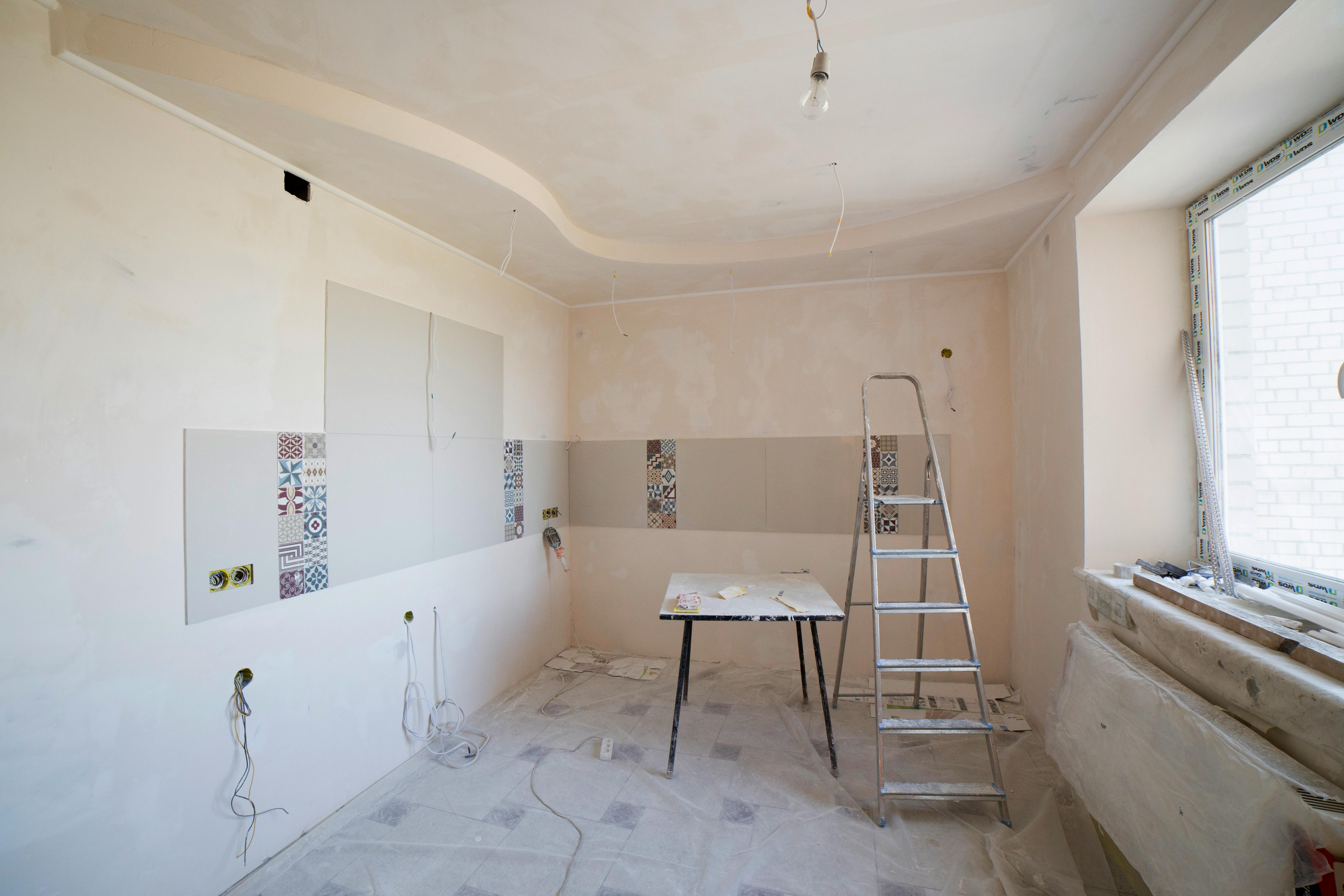
Reference image: an unfinished kitchen with exposed wiring and bare tiled walls, the kind of condition that can sit behind a cabinet run.
THE SHORT VERSION
If new finishes go on before anyone checks for moisture, tests the substrate, confirms service access and looks for underlying damage, the work can end up being redone. What sits behind the cabinets decides what the new kitchen can safely be fixed to.
FOUR CONDITIONS THAT CAN COME TO LIGHT
#01
Water damage often hides under and behind the sink run. Look for swollen carcass bases, wall linings that are stained or soft, and marks on the floor behind the kickboard. A slow leak behind a closed cupboard can go unnoticed for a long time. Before new cabinetry goes in, the source of the moisture needs to be found and the material behind it checked.
#02
#03
#04
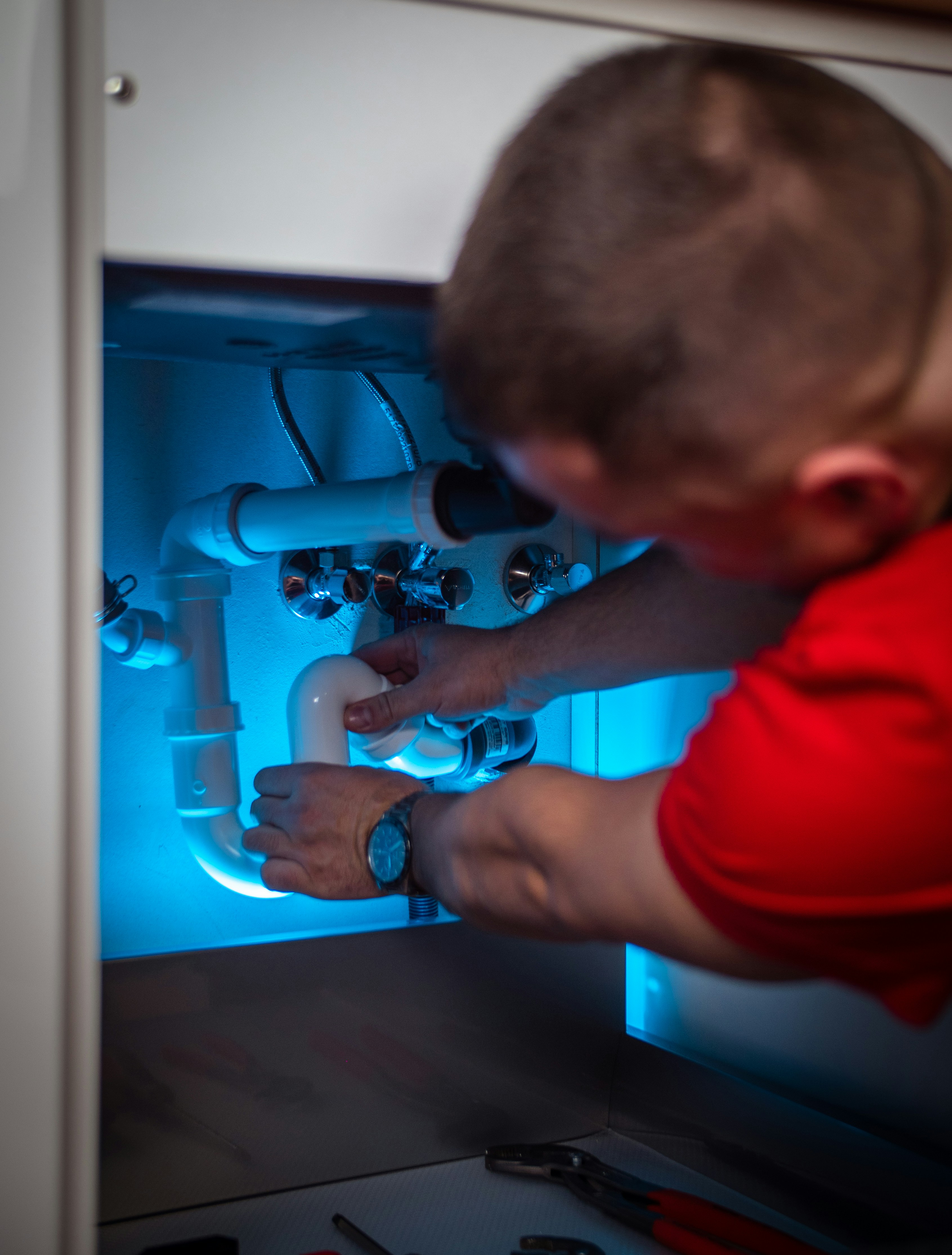
Reference photograph: drainage and plumbing connections inside a sink cabinet.
WHAT AN ASSESSMENT CAN AND CAN’T SHOW
The existing kitchen is usually still in place at that stage, so some conditions stay hidden until the cabinets are removed. A careful inspection narrows down the unknowns. It can’t remove them completely.
PLEASE NOTE
No inspection can reveal every hidden issue. Project scope, permits, registration, insurance and licensed trade requirements vary from one project to the next. Wording for contracts, insurance and approvals needs to be checked for each specific project.
RELATED READING
More guides on what to check before you decide what to keep and what to replace.
→ Can Your Existing Kitchen Cabinets Be Reused?
→ Why Surface Preparation Comes Before New Finishes
→ Replacing a Kitchen Splashback: What to Check First