Home / Kitchen Guides / Behind the Cabinets

KITCHEN GUIDE · BEHIND THE CABINETS

What may be found behind kitchen cabinets.

A kitchen can look sound from the front and turn out quite differently once the cabinet run is removed. This guide covers the hidden conditions that can come to light during a kitchen renovation in Brighton: moisture, damaged substrate, walls and floors that aren’t level, and services that are hard to reach. It also explains what an on-site assessment can tell you and where its limits are.

or call 0413 142 055 · 9:00–18:00, Monday to Sunday

Written by Ivan Bodnar, Independent Home Renovation Specialist
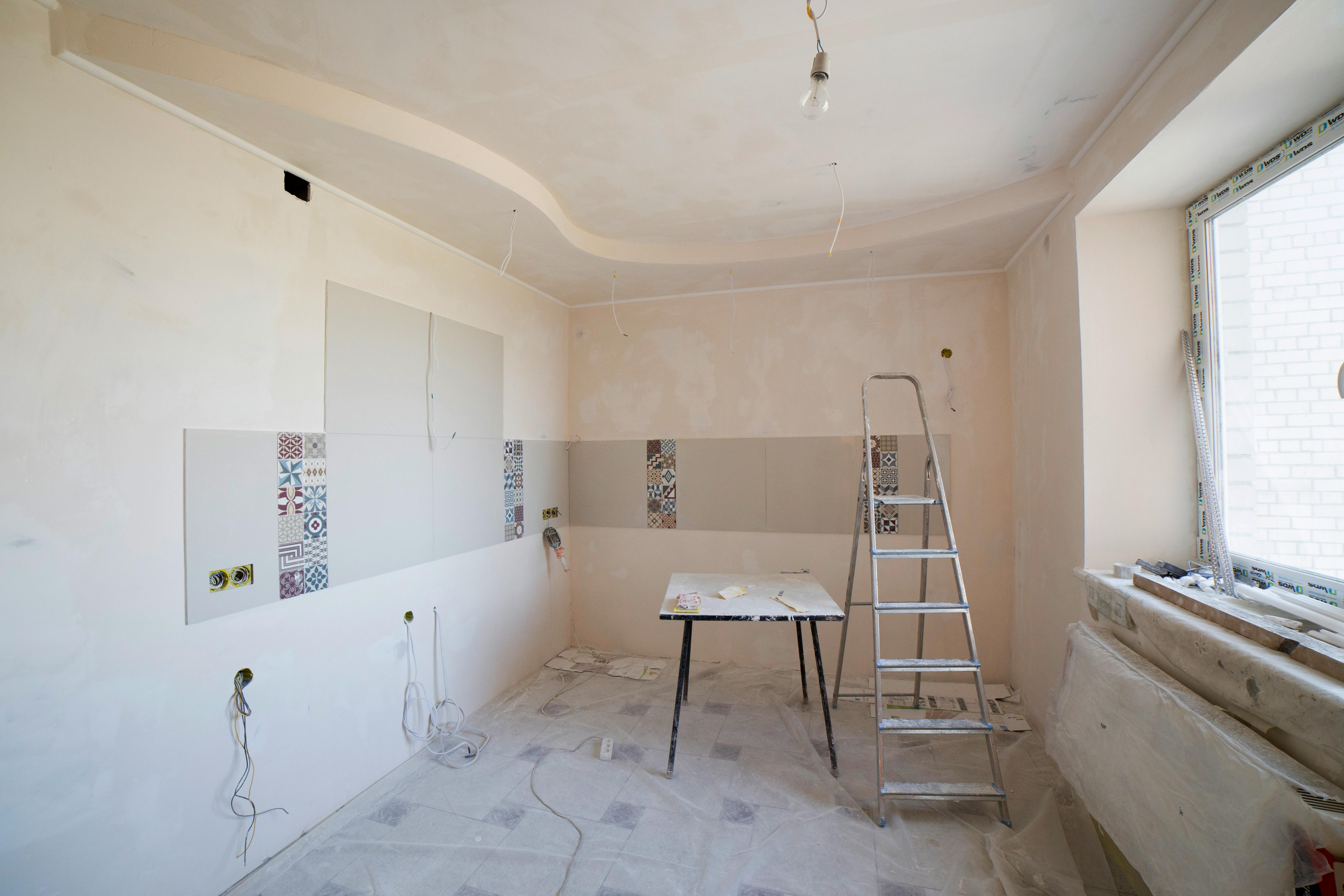
An unfinished kitchen with tiled walls, exposed electrical wiring, a ladder, work table, protective floor coverings and renovation materials.

Reference image: an unfinished kitchen with exposed wiring and bare tiled walls, the kind of condition that can sit behind a cabinet run.

THE SHORT VERSION

If new finishes go on before anyone checks for moisture, tests the substrate, confirms service access and looks for underlying damage, the work can end up being redone. What sits behind the cabinets decides what the new kitchen can safely be fixed to.

That is why surface preparation and suitable materials are part of every kitchen scope Ivan prepares. They are not something added once the cabinets are in.

FOUR CONDITIONS THAT CAN COME TO LIGHT

Common hidden conditions, item by item.

#01

MOISTURE

Water damage often hides under and behind the sink run. Look for swollen carcass bases, wall linings that are stained or soft, and marks on the floor behind the kickboard. A slow leak behind a closed cupboard can go unnoticed for a long time. Before new cabinetry goes in, the source of the moisture needs to be found and the material behind it checked.

#02

SUBSTRATE

Wall linings and floor surfaces that sat behind the cabinets may be damaged, patched or not suitable for a new splashback or floor finish. They may need repairing, replacing or levelling so the new finishes sit on something sound. See why preparation comes first.

#03

WALLS & FLOORS

An old cabinet run can hide bowed walls and sloping floors behind packers and scribed panels. Once they’re exposed, they affect where the new carcasses go, how the benchtop sits and whether the flooring can run through without a break. There’s more on this in dealing with an uneven kitchen floor.

#04

SERVICES

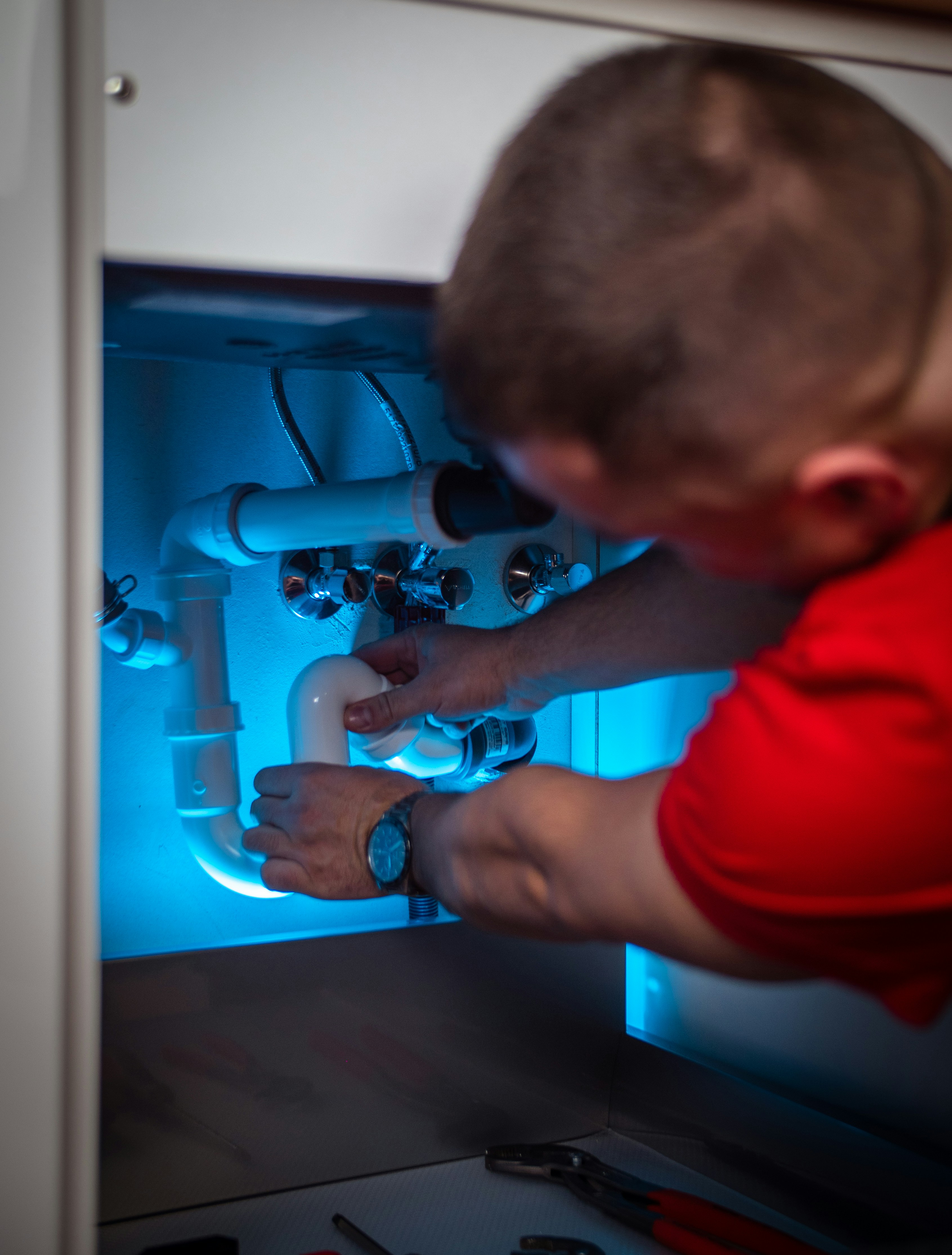
The pipework, drainage and wiring behind the cabinets may not be where a new layout needs them, and there may not be much room to get at them. Appropriately authorised specialists handle any plumbing or electrical changes. Ivan does not do this work himself. Read plumbing and electrical changes.
A tradesperson works inside a kitchen sink cabinet, connecting white drainage pipes and plumbing fittings.

Reference photograph: drainage and plumbing connections inside a sink cabinet.

WHAT AN ASSESSMENT CAN AND CAN’T SHOW

Looking from the front doesn't show everything.

During a free on-site kitchen assessment, Ivan looks at the condition you can see. He opens cupboards, checks the sink base and looks for swelling, staining, gaps, a benchtop that is out of level, and how easy the services are to reach.

The existing kitchen is usually still in place at that stage, so some conditions stay hidden until the cabinets are removed. A careful inspection narrows down the unknowns. It can’t remove them completely.

The written quotation is prepared after the assessment and is based on what could be seen and reasonably assessed. If removal turns up something that wasn’t visible before, Ivan explains what he has found, sets out the practical options and talks with you about how it affects the scope.

PLEASE NOTE

Hidden conditions, scope and regulated work.

No inspection can reveal every hidden issue. Project scope, permits, registration, insurance and licensed trade requirements vary from one project to the next. Wording for contracts, insurance and approvals needs to be checked for each specific project.

Ivan Bodnar is an independent sole trader. He does not claim unverified trade licences or builder registration. Appropriately authorised specialists carry out licensed plumbing and electrical work. See Licensed Trades & Regulated Work.

RELATED READING

More guides on what to check before you decide what to keep and what to replace.