
GUIDE · 04 LAYOUT, CABINETRY & PRACTICAL OPTIONS
Sometimes. Whether you can keep the cabinets is decided by what they are made of, how dry and level they are, and whether they suit the kitchen you want next. This guide sets out what gets checked, part by part, and how the three usual options compare.
THIS GUIDE COVERS
1 Carcasses, doors, runners ··· check
2 Under the sink ········· water
3 Three options ·········· compare
Independent sole trader · Approx. 15 years’ personal experience · Free assessment & written quotation
WHAT GETS CHECKED
These are the boxes themselves. Ivan checks for swollen particleboard at the base and edges, joints that have loosened, sagging shelves, and whether the run is level and securely fixed to the wall. Carcasses that are dry and sound, in a layout that already works, are the most likely to be kept.
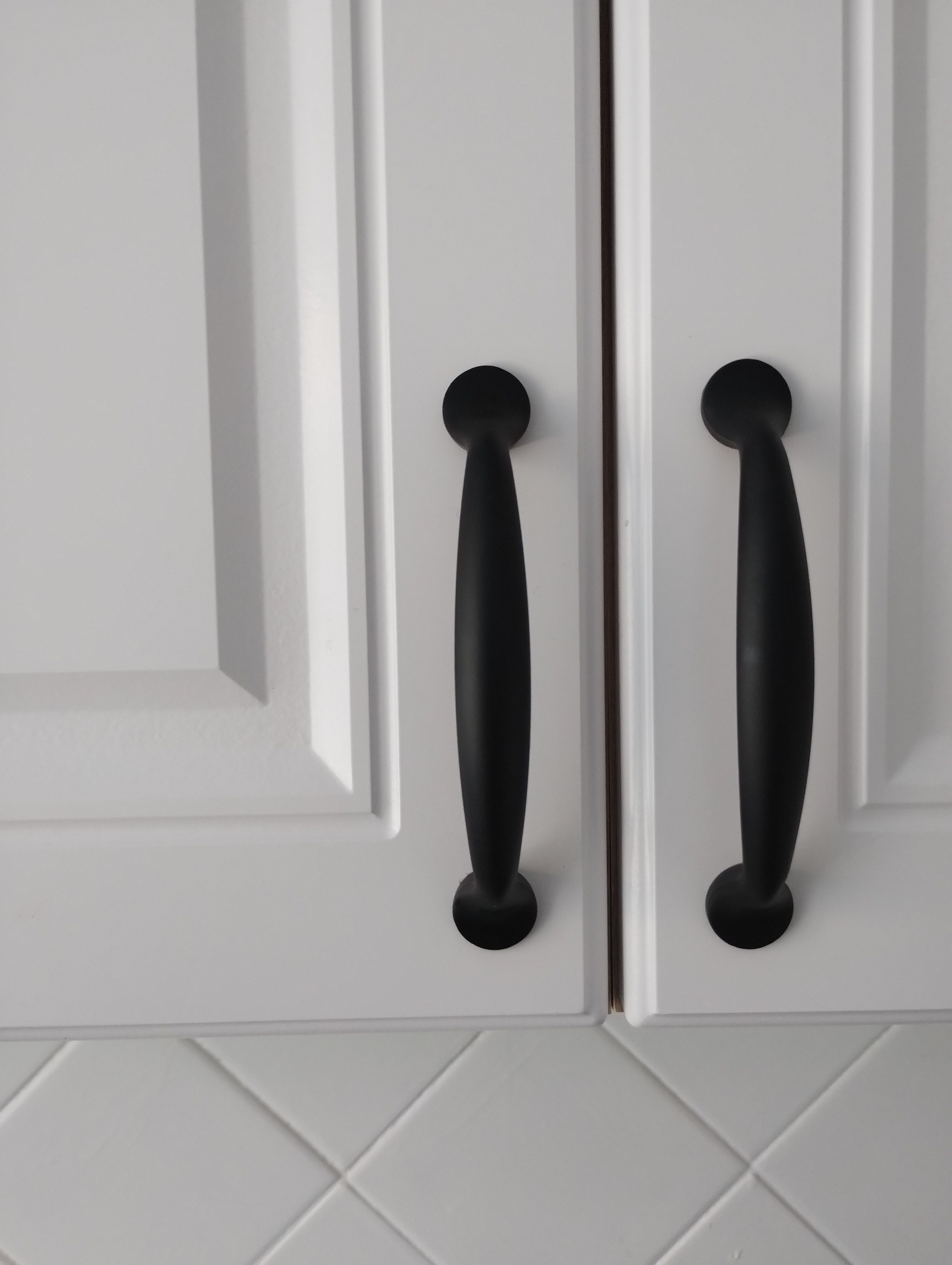
Chipped, peeling or worn door faces are often the main reason a kitchen looks dated. Hinges that sag or won’t hold their adjustment can sometimes be replaced on their own. Whether new doors will fit depends on the carcass sizes and where the hinges sit.
Ivan looks for runners that drag or drop, or that have pulled away from the side panel. Whether new runners are worthwhile depends on the condition of the drawer box and the carcass side the runner screws into.
CHECKED SEPARATELY
The sink cabinet is usually the first one that can’t be kept. Slow leaks from the waste, the taps or the dishwasher connection can swell the base panel. The damage can spread into the cabinets on either side and into the floor beneath. Ivan checks for moisture and looks at the base and back panels and at what the cabinet sits on.
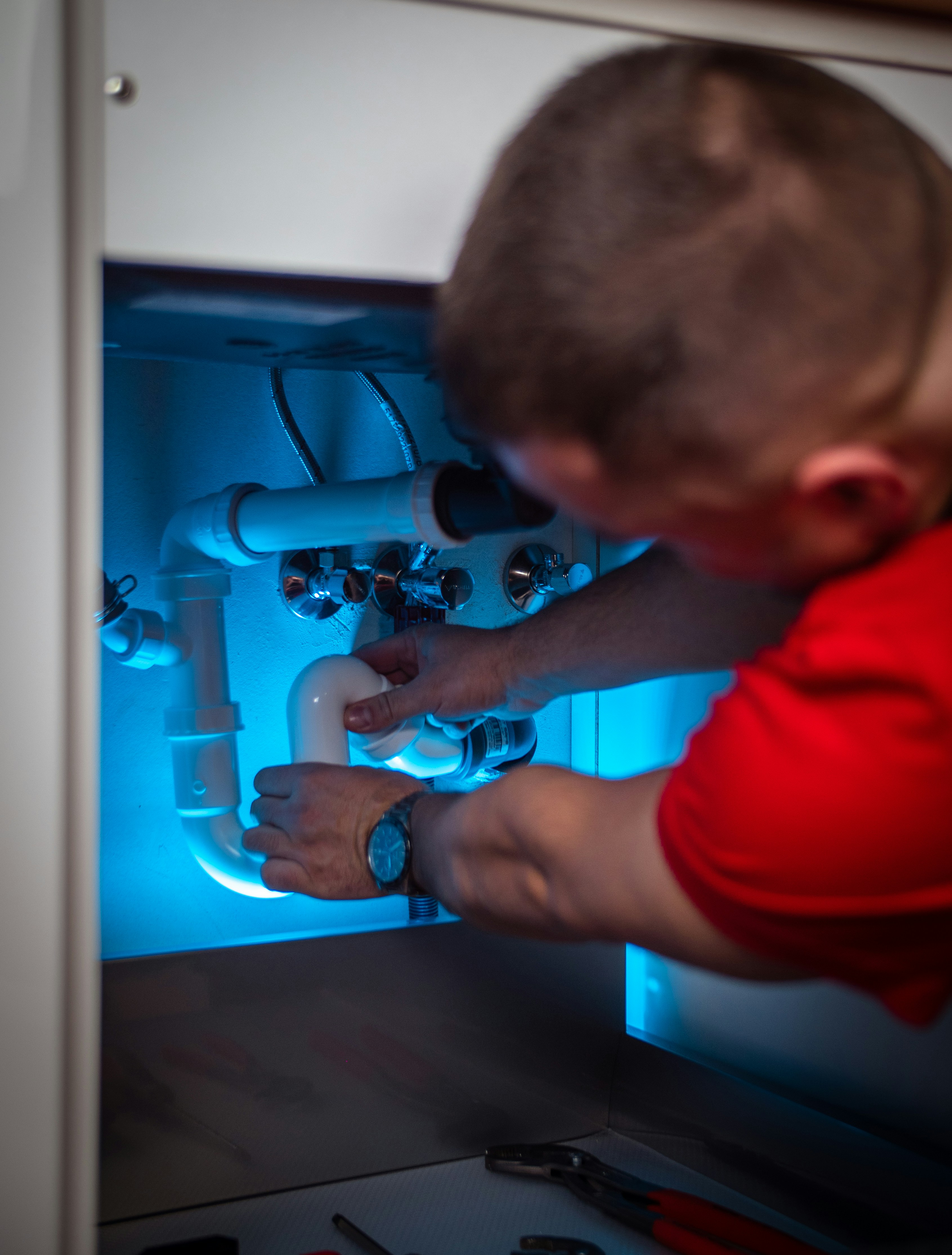
Reference image: drainage connections inside a sink cabinet.
THREE PRACTICAL OPTIONS
CAN SUIT
Carcasses are dry, level and sound, the layout works, and the cabinet sizes suit the benchtop and appliances.
WATCH FOR
New doors still rely on the existing hinges and runners. A worn benchtop may need replacing anyway.
CAN SUIT
Most of the run is sound, but one or two cabinets are damaged (often the sink cabinet), or one section needs to change.
WATCH FOR
Matching heights and finishes between old and new cabinets, and what turns up once the damaged cabinet is out.
CAN SUIT
Swelling or loose joints run throughout, the layout no longer works, or the new plan changes cabinet sizes.
WATCH FOR
WHY IT DEPENDS
BEFORE YOU DECIDE
— Which doors and drawers stick, drop or won’t close
— Any past leaks under the sink or near the dishwasher
— Whether the current layout works for your household
— Appliances or a benchtop you plan to change
RELATED READING
What May Be Found Behind Kitchen Cabinets →
Keeping Your Kitchen Layout vs Changing It →
Why Surface Preparation Comes Before New Finishes →